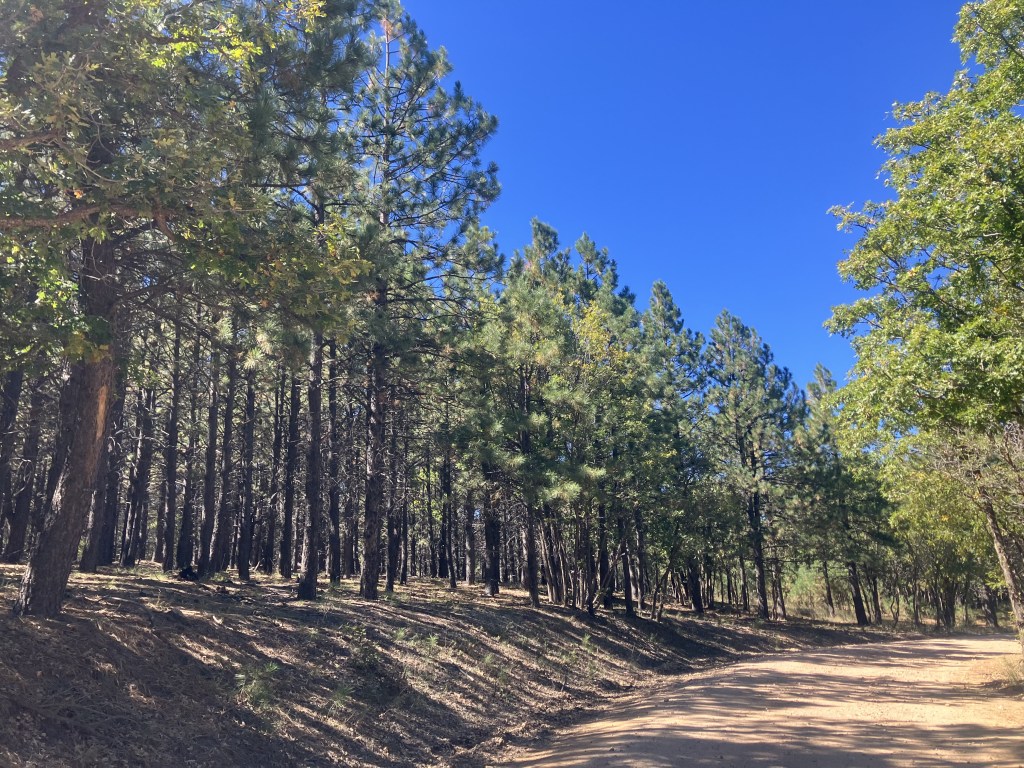
Wouldn’t it be interesting to do a little reconnaissance and see what the actual landscape looks like to compare with the fuel models?
I went out to get photographs of various spots in the field area, and found that in general, the represented fuel models made sense. Once I got back and was plotting photographs on my map, I realized that I had used 2024 LANDFIRE fuels for the exercise, instead of 2025 fuels. So, some slight differences might be accounted for in changes between ’24 and ’25.
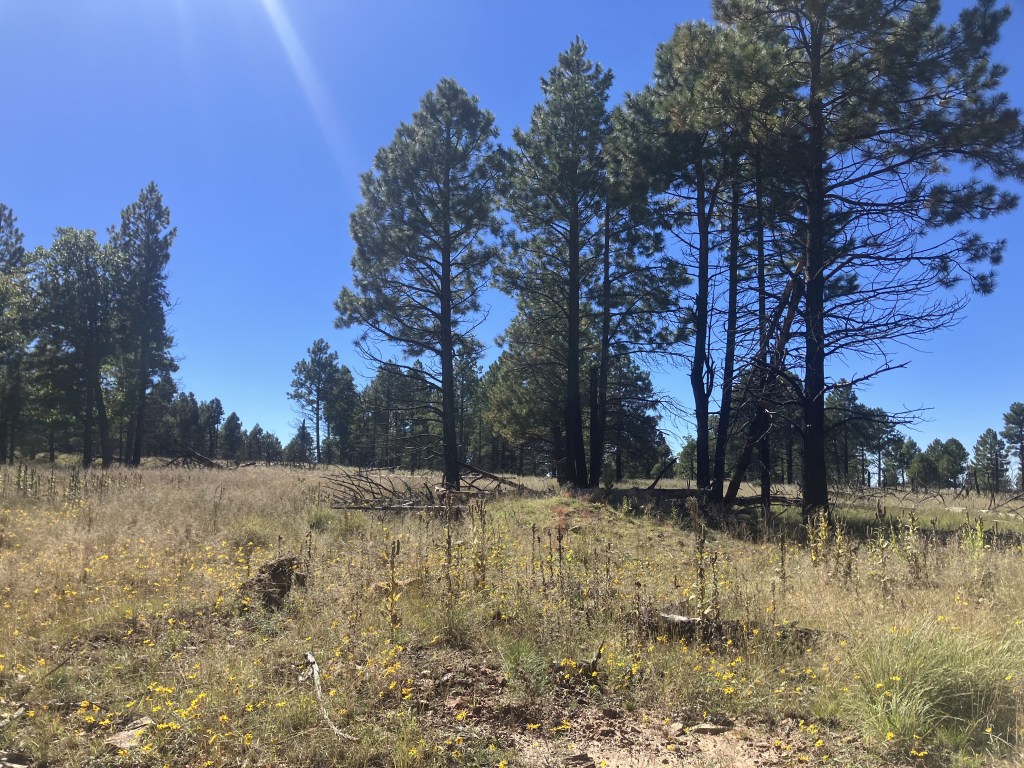
From Scott & Burgan: The primary carrier of fire in GR2 is grass, small amounts of fine dead fuel may be present.
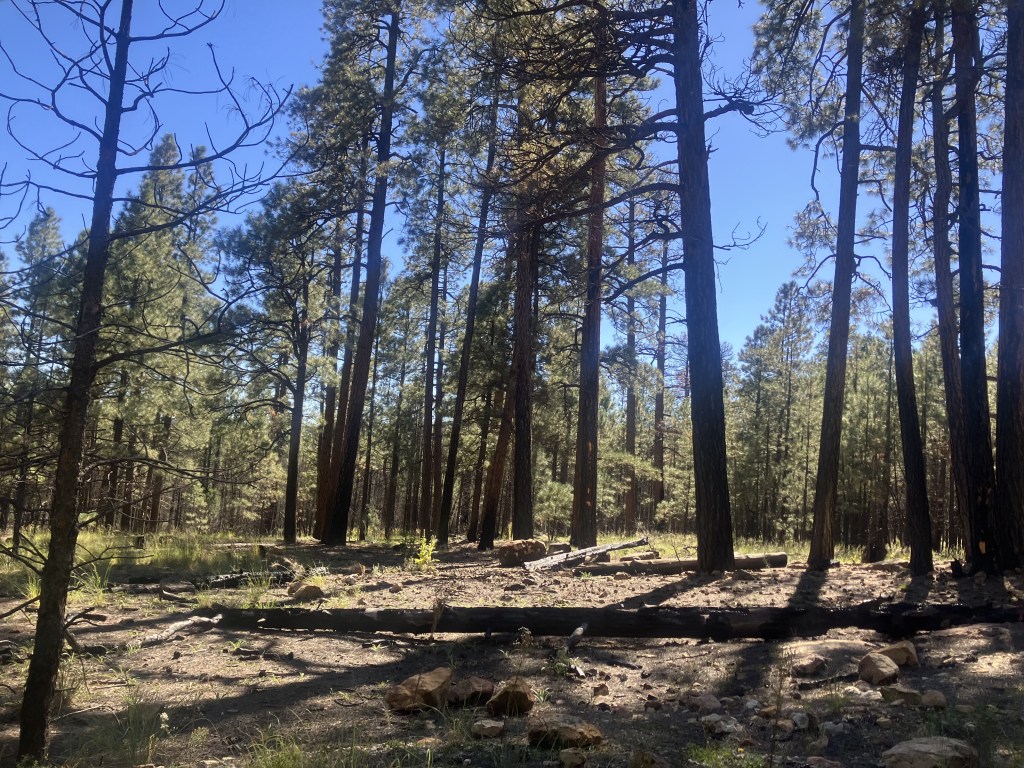
From Scott & Burgan: The primary carrier of fire in TL3 is moderate load confire litter, light load of coarse fuels. Spread rate is very low; flame length low.
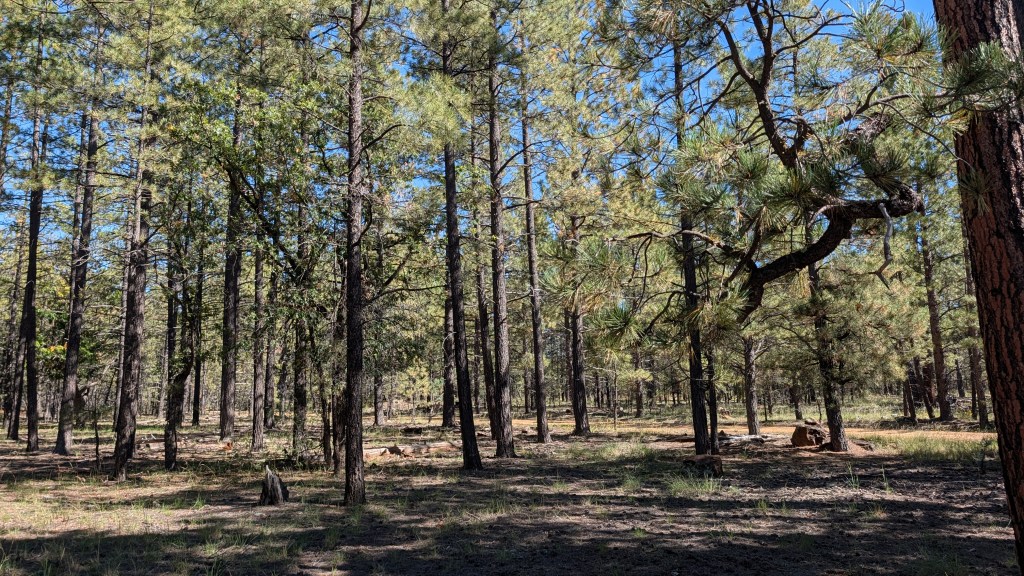
From Scott & Burgan: the primary carrier of fire in TL8 is moderate load long-needle pine litter. Spread rate is moderate; flame length low.
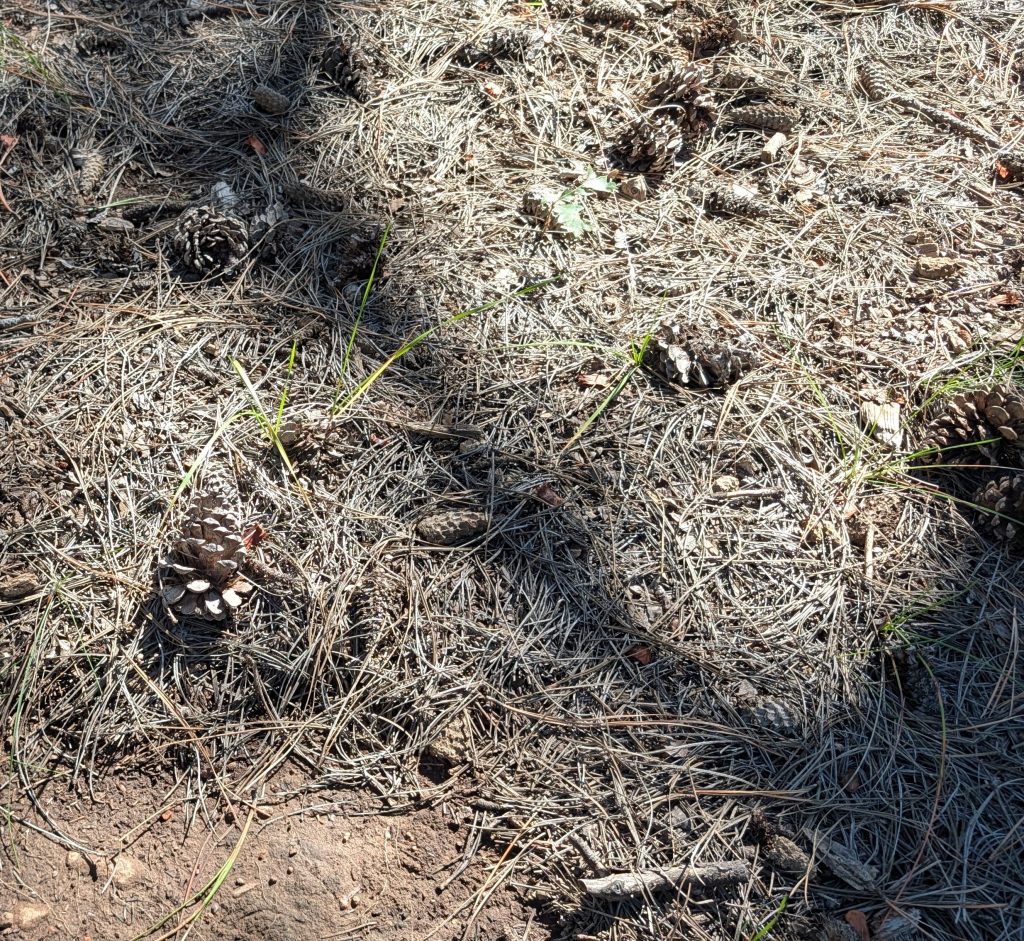
The highest burn probability in the area from my model occurred in an area dominated by fuel model 188 – and also with very low canopy height and high canopy cover, so the area would support active crown fire.


Leave a comment